
A generation that critically thinks, creates, and solves.
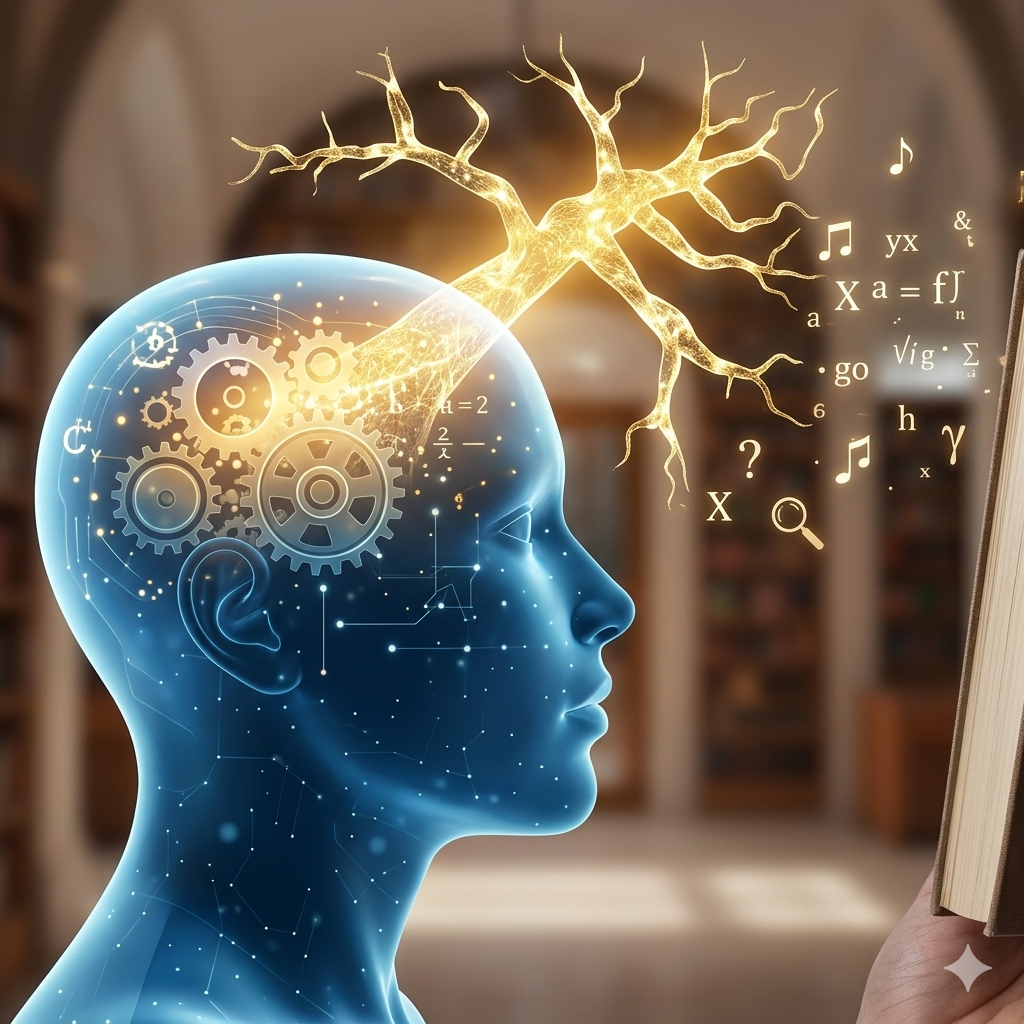
Pragnya builds personalized intelligence across every subject — adapting to how each student thinks, what they're curious about, and the way they want to master each concept. Through real-world problems and Socratic AI, we cultivate the thought process behind every answer.
The world teaches subjects. Almost nobody teaches how to think.
Students graduate knowing what to recall for exams — but struggle when problems are unfamiliar, multi-step, or require genuine reasoning. The gap between knowledge and intelligence widens every year.
Memorization ≠ intelligence
Knowing facts is not the same as reasoning through them, connecting them to new contexts, or using them to solve problems that don't look like the textbook. Yet exams almost exclusively test the former.
One curriculum, a billion minds
Every student thinks differently, learns at their own pace, and is drawn to different questions. Forcing the same syllabus at the same speed produces average outcomes for everyone — and cultivates no one's real strengths.
The world needs thinkers
The problems this generation will face — climate, health, inequality, technology — require deep reasoning, not recall. We need young people who can analyze, hypothesize, and create — not just answer MCQs.
We build intelligence — not just knowledge
🧠 Socratic reasoning sessions
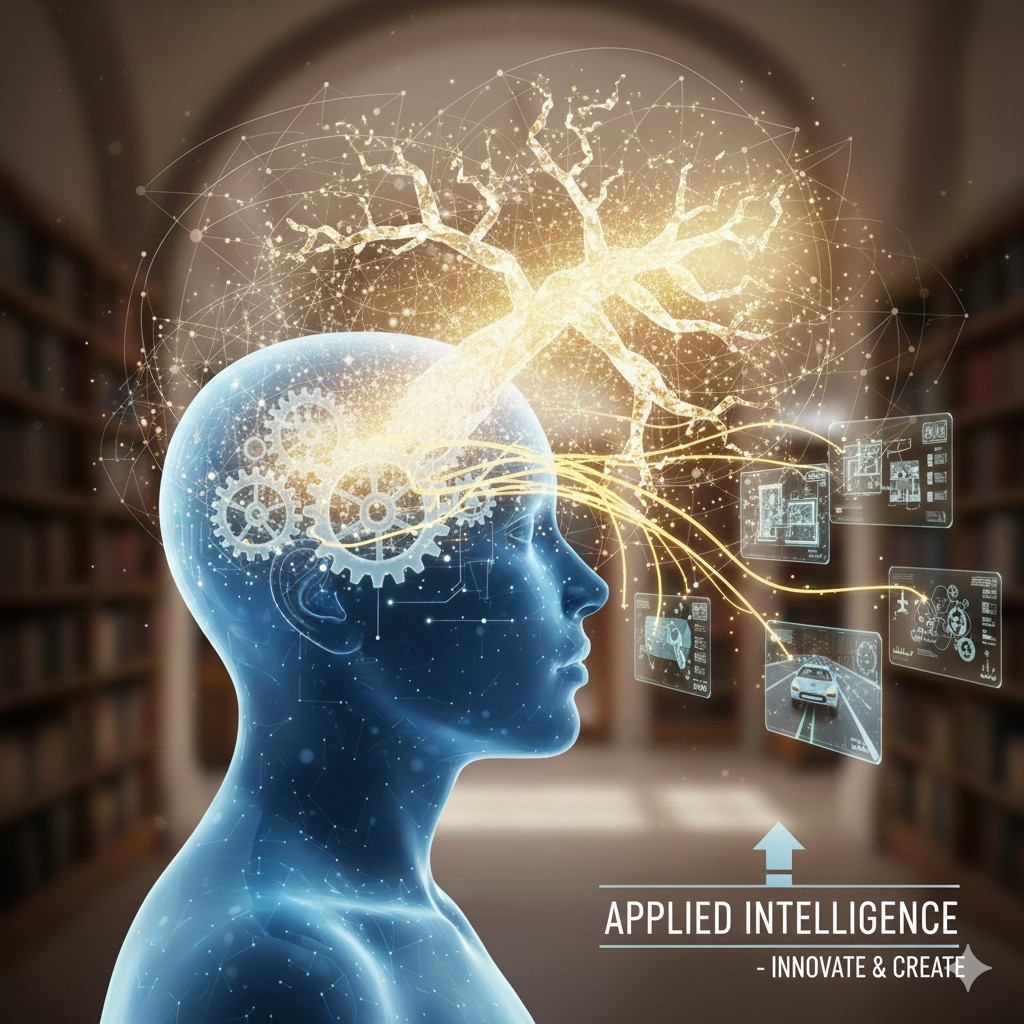
Real-world problems where AI asks "why?" at each step — revealing how the student thinks, not just what they answered.

📊 Multi-subject intelligence score
A live intelligence profile per subject — reasoning depth, transfer ability, retention, Bloom's level. A map of how their mind works.
✨ Personalized to you
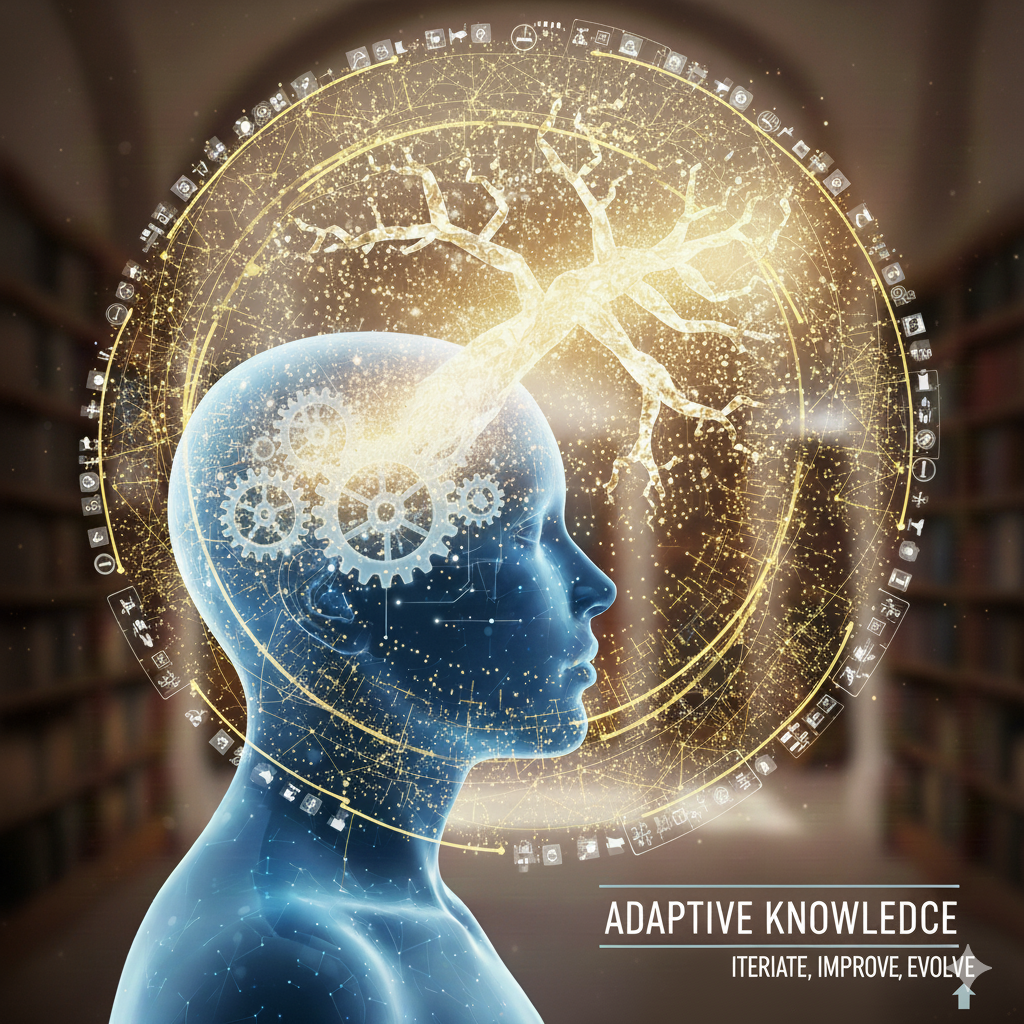
Problems in contexts you care about. Pace calibrated to your learning velocity. Interests — not a fixed syllabus — drive what you explore next.
A session that captures how you think — not just what you answer
Pragnya presents a real-world problem, watches how you reason through it step by step, then asks a targeted Socratic question designed to push your thinking one level deeper.
What happens behind the session
-
Step scoring
Every response is scored for reasoning depth, problem decomposition, and metacognitive quality — not just answer accuracy.
-
Targeted Socratic probe
The AI identifies the specific gap in thinking and generates one precise question — not a hint, not a lesson, a challenge.
-
Transfer challenge
At session end, the same concept appears in a completely different context — testing whether the student genuinely understood or just answered this one problem.
-
Intelligence score update
Scores update in real time. The spaced-repetition scheduler knows when to revisit this concept before the Ebbinghaus forgetting curve sets in.
From thinking to intelligence — in five steps
Understand how you think
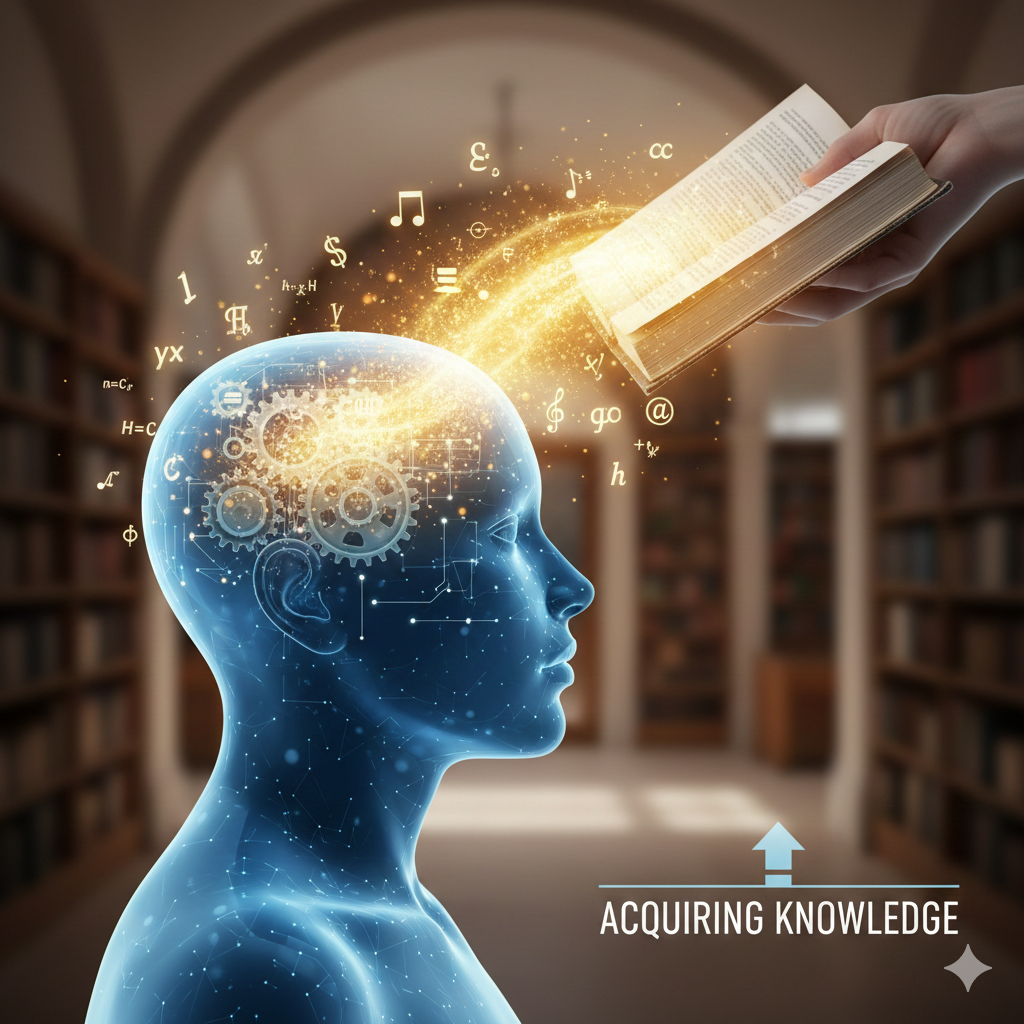
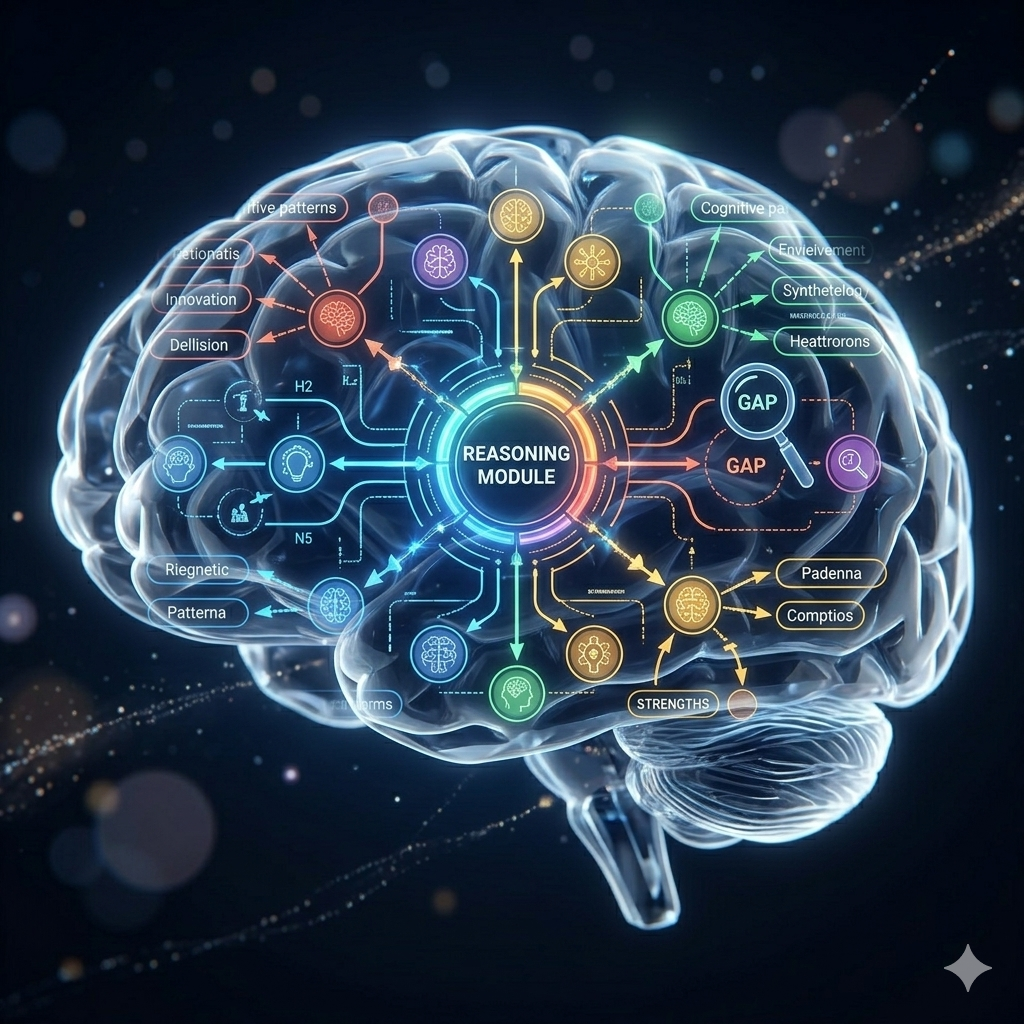
Diagnostic maps your reasoning patterns, gaps & strengths.
Solve real-world problems
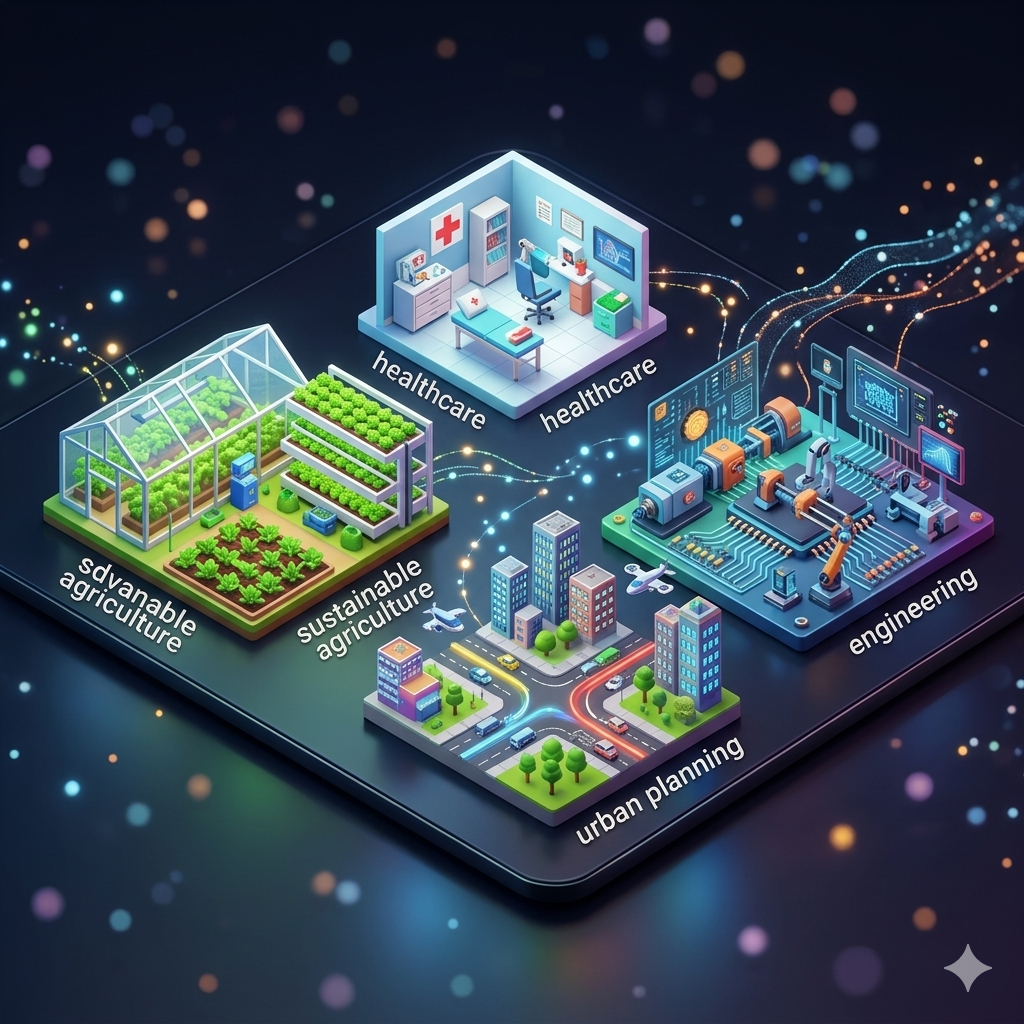
In subjects and contexts you find interesting, at your pace.

AI asks why
One targeted probe after each step — pushing thinking deeper.
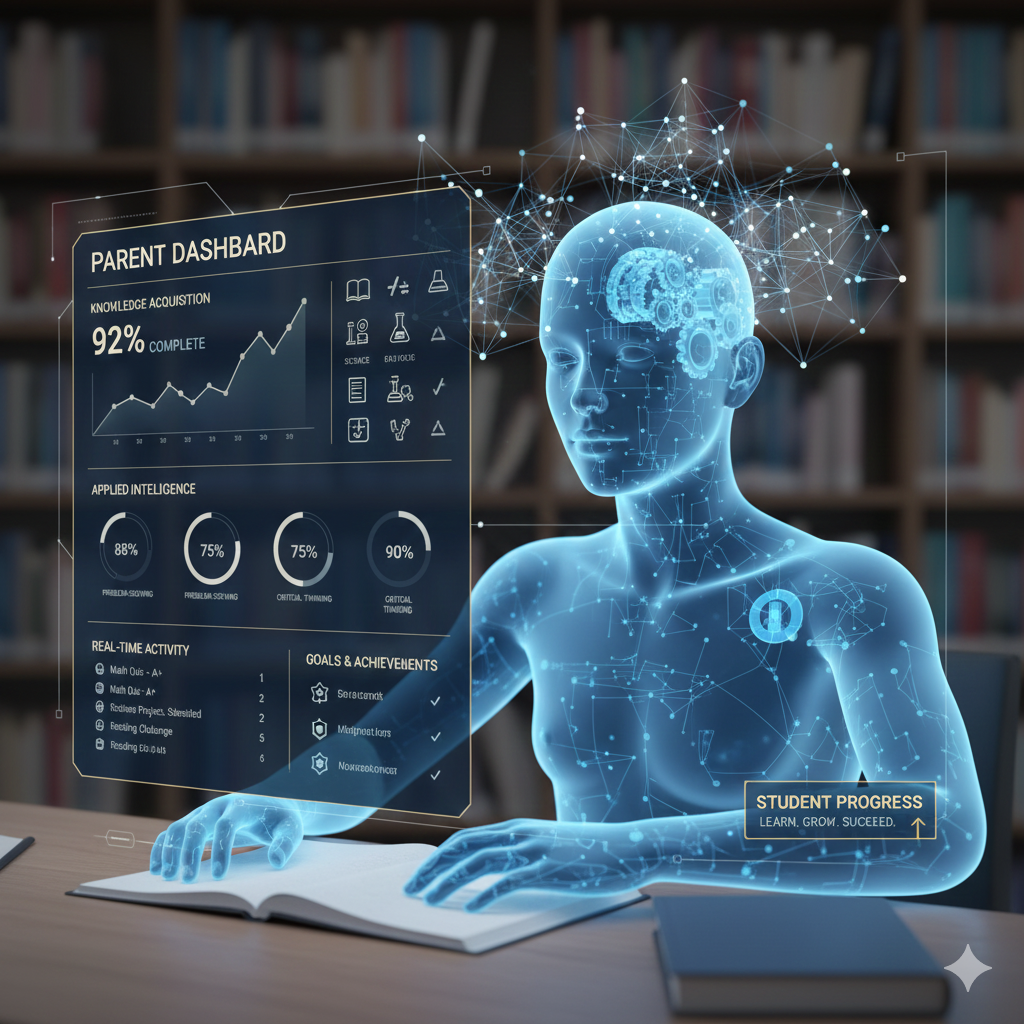
Your score grows
Bloom's level, transfer & retention tracked per subject, live.
Mentors guide you
Targeted intervention when AI flags a deep misconception.
Intelligence grows across every domain
Real-world problems are never single-subject. Pragnya builds intelligence across your full curriculum — and connects ideas across subjects so your thinking becomes richer, not just deeper in one area.
Mathematics
Quantitative reasoning, problem modeling, data interpretation, optimization thinking
Sciences
Hypothesis formation, experimental thinking, causal analysis, systems modeling
Language & Literature
Argument quality, inference depth, evidence analysis, authorial perspective
Social Studies
Causal reasoning, systems thinking, perspective-taking, historical analysis
Economics
Decision-making, tradeoffs, market reasoning, resource allocation thinking
Biology
Living systems thinking, health reasoning, ecological analysis, genetic logic
More subjects coming — Chemistry, Computer Science, Philosophy of Knowledge, Environmental Science.
Not a grade — a map of how your mind works
🎯 Reasoning Depth
Which Bloom's level — recall, apply, analyze, evaluate, create — are you operating at, per subject?
🔀 Transfer Ability
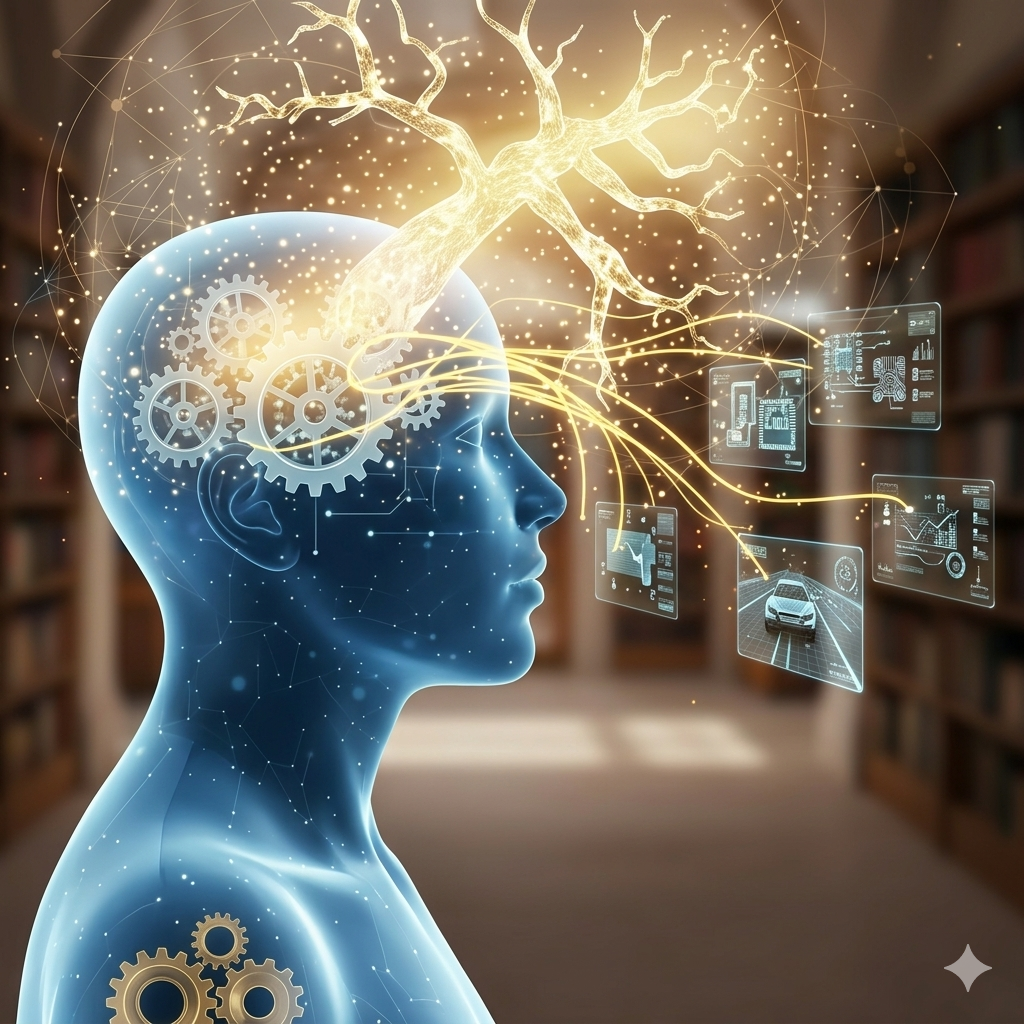
Can you apply a concept in a context that looks nothing like where you learned it?
🔁 Retention at 30/60/90 Days
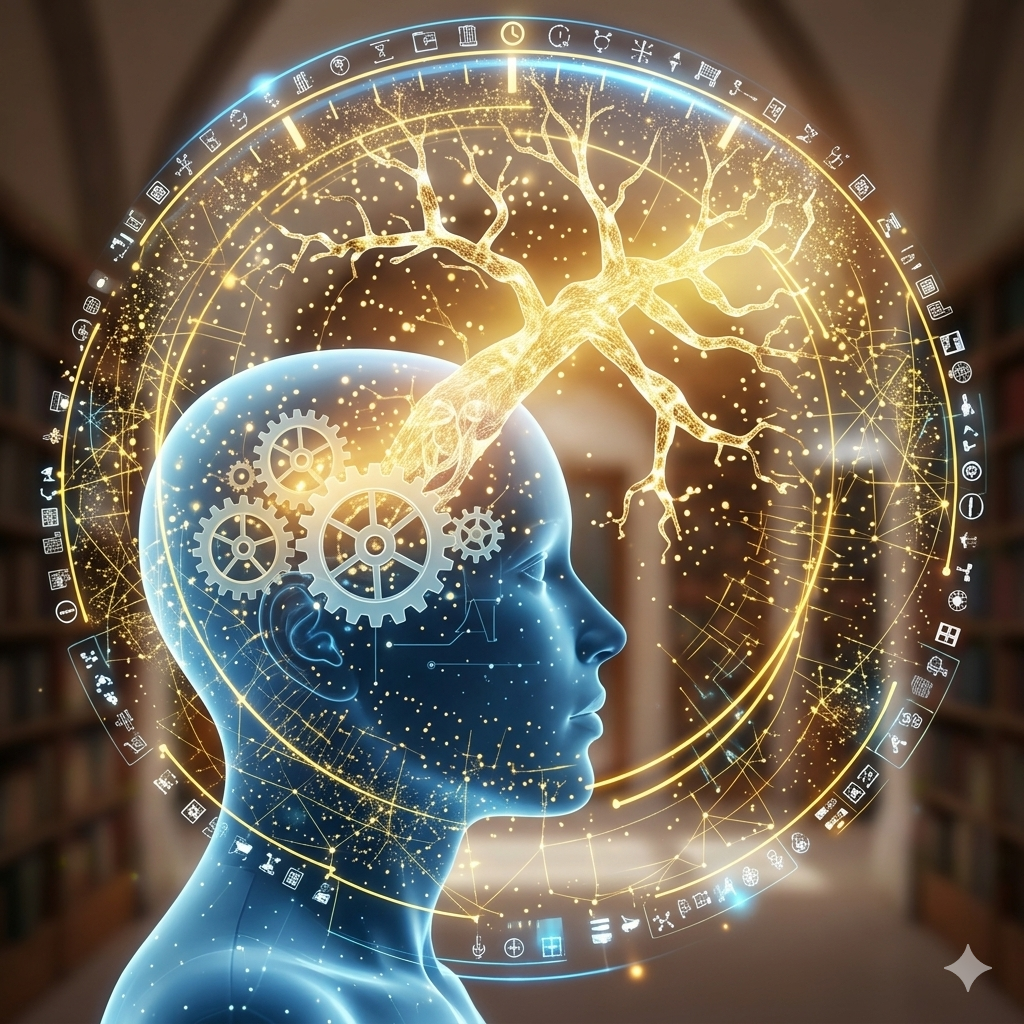
Does the learning hold weeks later without re-studying? Checked at precise intervals.
🧩 Problem Decomposition
Do you structure complex problems into logical steps before solving them?
Intelligence builds differently in every mind
Cricket → statistics. Climate → chemistry. Curiosity drives the problem.
Each concept scheduled by your learning velocity, not an arbitrary timeline.
Probability in math, genetics, economics. Pragnya connects the threads.
Reasoning depth in math sharpens argument analysis in language arts.
Everything in one intelligent system
Each module exists to answer one question: is this student's intelligence actually growing — and if not, what should happen next?
Reasoning Canvas
- Real-world problems delivered in subjects and contexts the student cares about.
- Socratic AI tracks each reasoning step and asks a single targeted probe — never a hint, always a deeper challenge.
- Transfer challenge at session end tests whether the concept was truly understood or just answered once.
- Scores update in real time: reasoning depth, Bloom's level, metacognition, decomposition.
Outcome intelligence, not just engagement metrics
Schools don't need another activity tracker. They need evidence of thinking quality — and a system that improves it.
Pilot-first model
Start with a baseline diagnostic → mentor-led cohort → post-diagnostic → retention check. Schools get a transparent pre/post outcomes report before any subscription decision.
Cohort intelligence reports
School leaders see class-level LI profiles: which concepts have transfer gaps, which students need mentor intervention, how reasoning depth is trending across the cohort.
Evidence beyond grades
Retention at 30/60/90 days. Transfer scores. Problem-solving depth. Learning velocity uplift. Metrics that support program decisions and demonstrate real learning impact to parents and boards.
What makes Pragnya different
Most EdTech recommends more content or more questions. We recommend the next thinking challenge — and we verify whether it worked.
AI tutors answer questions. Pragnya builds a memory — and a plan.
Gemini and ChatGPT are powerful general assistants. But they forget yesterday, don't know your syllabus, and have no idea when your board exams are. Pragnya is built for a specific student, on a specific curriculum, with a specific exam date — and it gets smarter about you every session.
Built on learning science, verified by outcomes
We don't ask students or schools to trust a dashboard. We run sessions with clear baselines, collect thinking traces, and show what changed — and what still needs work.
Research-grounded methods
Retrieval practice, spaced repetition (FSRS), Socratic questioning, interleaving, and transfer challenges — all drawn from decades of cognitive science research, now delivered at scale with AI.
Transparent evidence
Every score comes with an explanation: which signals drove it, what the student's reasoning trace showed, and what the next recommended action is — and why. No black boxes.
Human intelligence in the loop
The AI identifies the gap; mentors help students change how they think. AI at scale + human precision is more reliable than either alone.
"The diagnostic showed exactly where the reasoning broke — not just what was wrong, but how the student was thinking about it."— School leader, Grades 6–8
"We stopped chasing more practice hours and started building real understanding. The difference showed up weeks later."— Parent, Grade 7
"The transfer question at the end of each session is what changed how my students prepare. They think about concepts, not answers."— Teacher, Grade 9 Science
Start building intelligence today
For students: tell us your grade, the subjects you want to grow in, and what kind of problems interest you — we'll set up your first reasoning session. For schools: we'll run a learning intelligence pilot with baselines, mentor-led cohorts, and outcome reports.
Or email us directly: pragnyaanalytics@gmail.com